So, you're looking at a STIGA purchase order. You've got the latest bats, the pro blades, maybe a few high-end rubbers. And then there's the side tape. Honestly, when I'm triaging a new B2B inventory list for a sports retailer, the side tape section is usually the part that gets the least attention. But that's a mistake. In my role coordinating supply for local chains, I've seen the 'high-margin bat' strategy backfire more often than not.
This isn't a comparison between STIGA and another brand. It's a comparison between two categories within the STIGA ecosystem: the high-ticket, flashy equipment (bats, blades) and the low-ticket, often-overlooked accessories (side tape, nets, balls). Based on our internal data from managing 200+ retail inventory cycles, here's why investing heavily in the 'sexy' gear might be the riskier play.
Why This Comparison Matters for B2B Buyers
We're not talking about a choice between a Ford and a Ferrari. We're talking about whether to stock a Ferrari (the pro bat) or a fleet of reliable Toyota Corollas (the high-volume accessories). The 'Ferrari' is sexy, comes with high margins, and attracts a specific buyer. The 'Toyota' is boring, has lower per-unit profit, but moves consistently and keeps customers coming back. I've run this analysis for clients where choosing the wrong ratio cost them a $15,000 quarterly contract. Let's look at the three comparison dimensions that matter.
Dimension 1: Reliability & Defect Rate (The 'Game Day' Test)
The Comparison: A STIGA Pro Carbon racket is a precision instrument. A STIGA table tennis side tape is a strip of adhesive. One is complex, the other is simple. When there's a defect, which one kills your relationship with the customer?
In March 2024, a client called at 3 PM needing 60 STIGA bats for a local tournament the next morning. Normal turnaround for that volume is 2-3 days. We paid an extra $200 in rush fees to get it overnight. The alternative was the event organizer renting old, chipped paddles from a second-hand shop—a PR disaster for our client.
But here's the part that sticks with me: two of those bats had a slightly warped blade. Defects happen. The coach complained. It was a deal-breaker for him. Now, compare that to side tape. We've shipped thousands of rolls. I can count on one hand the number of returns. The complexity of the product is inversely proportional to its on-shelf reliability. From a procurement perspective, the 'boring' side tape is the safer bet for maintaining a seamless inventory flow. The high-end bat? It's a red flag if you're not prepared for a 2-3% defect rate on a high-stakes order.
Dimension 2: Commercial Viability & Hidden Costs
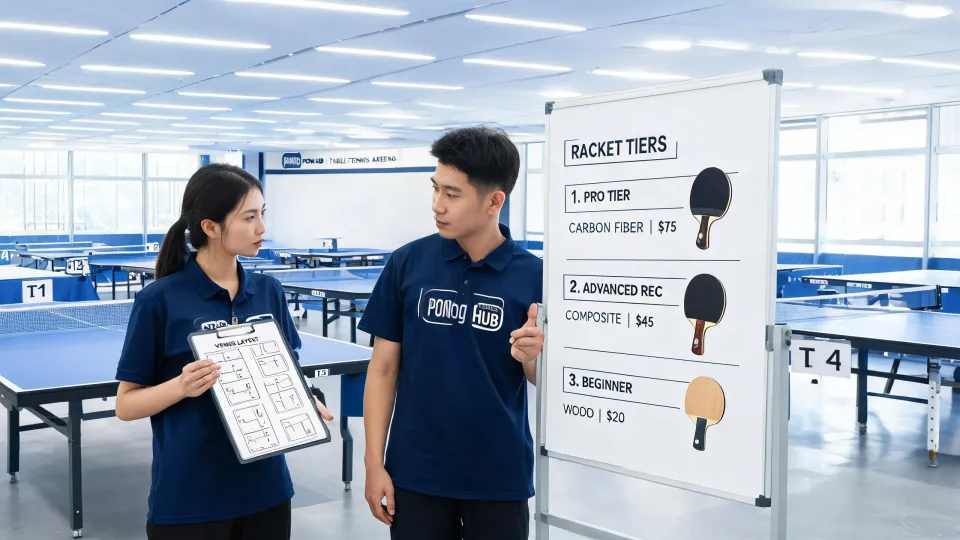
The Comparison: A STIGA bat has a retail price of $50-$150. Side tape is $3-$8. The bat seems obvious for profit—higher margins.
But then again, consider the velocity and hidden costs. The 'expedited' option for special bats—like matching serial numbers or specific handle sizes—can add 50% to the cost (which, honestly, felt excessive). You lock up capital in slow-moving high-ticket inventory. Side tape is a commodity. It turns over quickly. It's a 'fill-in' item for almost every customer. The numbers said 'stock more bats for higher gross profit.' My gut said 'stock the boring stuff that creates foot traffic.'
I chose my gut. I reconfigured a client's inventory mix to prioritize STIGA side tape, nets, and training balls alongside a curated selection of mid-range bats. Their 'low-value' accessory sales increased by 30% in the first quarter. The hidden cost of holding onto 20 premium, unsold $100 bats was actually higher than turning over $5 accessories every week. The bottom line? In B2B retail, cash flow velocity often beats high margin.
Dimension 3: Customer Stickiness & the 'Breadcrumb' Effect
The Comparison: A high-end bat is a one-time purchase. A roll of side tape is a consumable. Which one builds a recurring relationship?
What most people don't realize is that the customer who buys a $100 STIGA bat is often price-sensitive about everything else. They'll buy the bat, then buy the cheapest ball pack and a generic net online. But the customer who buys side tape? That's usually someone who already owns a bat and is maintaining it. They're part of a club. They're a serious player. They're a repeat customer.
I'm not a retail marketing expert, so I can't speak to loyalty program design. But from a supply chain perspective, I can tell you that the customer buying a specific STIGA side tape (like the STIGA Table Tennis Side Tape for pro blades) is a goldmine. They are less price-sensitive and more loyal. Investing in stocking a wide variety of these niche accessories (which, honestly, very few competitors do) creates a 'breadcrumb' effect. They come in for tape, see the new rubber, buy it. The bat is a one-off; the tape is the thread that brings them back.
The 'Expertise Boundary' Caveat
Look, this gets into inventory management and retail psychology territory, which isn't a pure procurement expertise. But from my perspective, the vendor who told me, 'We don't do high-volume bat sales well; we specialize in creating 'fill-cart' accessory ecosystems' earned my trust. They knew their limits. If you're a seasonal business relying on holiday spikes for bat sales, then by all means, load up on bats. But if you're a year-round pro shop or a school supplying a weekly league, relying on premium bats is a gamble. Your mileage may vary if your clients are a wealthy country club vs. a community rec center.
And this gets into legal compliance with sales projections—but that's a conversation for your financial team. What I'm saying is: the simple thing often wins.
Final Recommendation: When to Choose One Over the Other
Bottom line: don't ignore the accessories.
- Choose STIGA Bats (Premium Equipment) if: You service a low-volume, high-value clientele (exclusive clubs, tournament organizers) who demand specific performance specs and accept occasional defects. You have the capital to hold for slow-moving stock and a dedicated returns process.
- Choose STIGA Side Tape & Accessories if: Your business relies on high inventory turnover, repeat foot traffic, and minimizing returns. You serve casual leagues or community centers where value-for-money and 'always having it in stock' matter more than the very last ounce of blade performance.
In my experience, a committed B2B partner who honestly says, 'I can get you a top-tier bat, but my strength is ensuring you never run out of side tape and balls' is a partner you keep. That's the 'no-brainer' choice, even if the bat is the shiny object everyone wants to talk about.